How to Choose Workout Clothes

Updated November 2026 · By the New Active Wear Team
Choose workout clothes by matching them to your activity, then checking four things: fabric, fit, support and climate. For sweaty sessions, pick moisture-wicking synthetics or merino. The fit should be close enough not to snag and loose enough to move in. Match sports bra support to the impact, and wear layers you can take off. Start with shoes, a sports bra or tee, and bottoms, then add layers last.
Step 1: Start with your main activity
| Activity | Tops | Bottoms | Must-have |
|---|---|---|---|
| Weightlifting | Fitted tee or tank | High-waisted leggings, shorts or joggers | Squat-proof bottoms, flat shoes |
| HIIT / bootcamp | Lightweight tank | Shorts with liner or leggings | High-support bra, cushioned trainers |
| Running | Technical tee | Running shorts or tights | Fitted socks, running shoes |
| Yoga / Pilates | Fitted tank or long-line bra | Soft high-waisted leggings | Nothing loose that falls over your face |
| Indoor cycling | Breathable tank | Padded shorts or leggings | Fitted legs |
| Walking / hiking | Tee + layer | Joggers or leggings | Supportive shoes, a light jacket |
Step 2: Choose the right fabric
- Polyester and nylon: quick-drying and stretchy. Best for most workouts.
- Elastane (spandex): adds stretch. Look for 15–30% in leggings and 5–10% in tops.
- Merino wool: regulates temperature and resists odour. Great for running and hiking.
- Cotton: comfortable but holds sweat. Save it for warm-ups and rest days.
Step 3: Get the fit right
- Measure your chest, waist and hips in inches and compare them with each brand’s chart.
- Fitted is better for running, cycling and yoga, where flapping or riding-up fabric gets in the way.
- Relaxed is fine for lifting tops and warm-up hoodies.
- When you’re between sizes, follow the brand’s note. Some styles run tight.
Step 4: Pick sports bra support by impact
| Support | Activities |
|---|---|
| Light | Yoga, stretching, walking |
| Medium | Weights, cycling, Pilates, barre |
| High | Running, HIIT, jumping, court sports |
Step 5: Plan layers for the weather
- Base layer: a wicking top or bra.
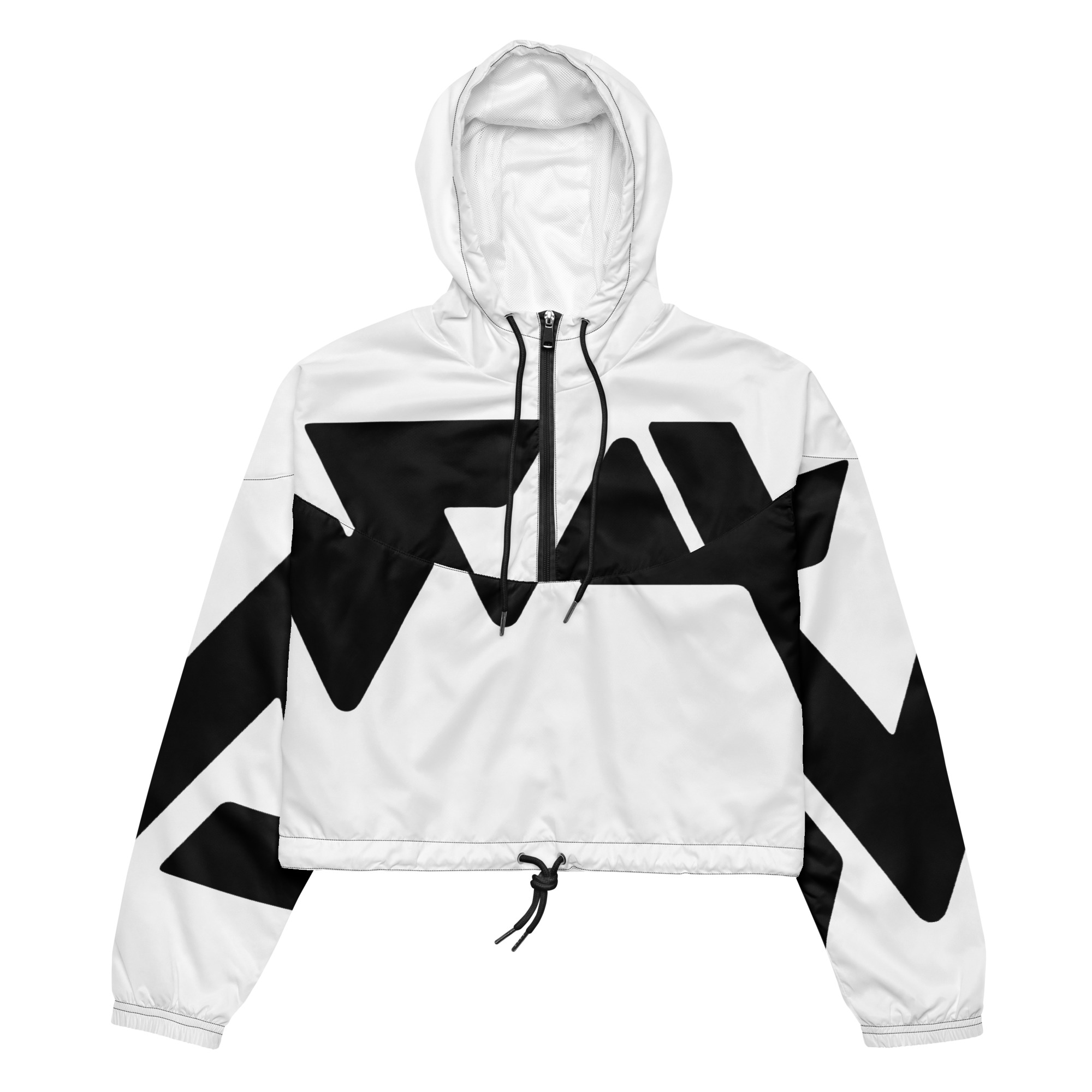
- Mid layer: a hoodie or quarter-zip for warmth.
- Outer layer: a wind or rain jacket for outdoor sessions.
Indoors, you’ll usually take off the mid layer once you’ve warmed up.
Step 6: Choose shoes for the activity
Wear running shoes for running, flat, stable trainers for lifting, and cross-trainers for HIIT. Lifestyle sneakers are for getting to the gym, not for the workout.
Step 7: Build a capsule workout wardrobe
A practical starter set for 3–4 workouts a week:
- 2–3 pairs of leggings or shorts
- 2–3 tops or sports bras
- 1 hoodie or quarter-zip
- 1 light jacket
- 1 pair of activity-specific shoes
- 1 gym bag
Stick to two neutral colours and one accent so everything mixes.
Common mistakes
- Wearing cotton for long, sweaty sessions.
- Sizing down in leggings, which costs you opacity.
- Running in lifestyle sneakers.
- Choosing bra support by cup size instead of activity.
Shop the essentials
Gym leggings · Sports bras · Men’s activewear · Gym bags. New to this? Start with What Is Activewear?
FAQs
What should a beginner wear to the gym?
A wicking tee or tank, leggings or shorts with stretch, a supportive sports bra if needed, and trainers. Bring a light layer.
Is it okay to work out in cotton?
For short, low-sweat sessions, yes. For long or intense workouts, synthetics or merino are more comfortable.
How tight should workout clothes be?
Close enough not to flap or ride up, loose enough to squat, reach and breathe freely.
How often should I replace workout clothes?
When the elastane stops recovering (sagging knees or waistband), the fabric thins, or odour lingers after washing. For heavily used leggings, that’s often 1–2 years.